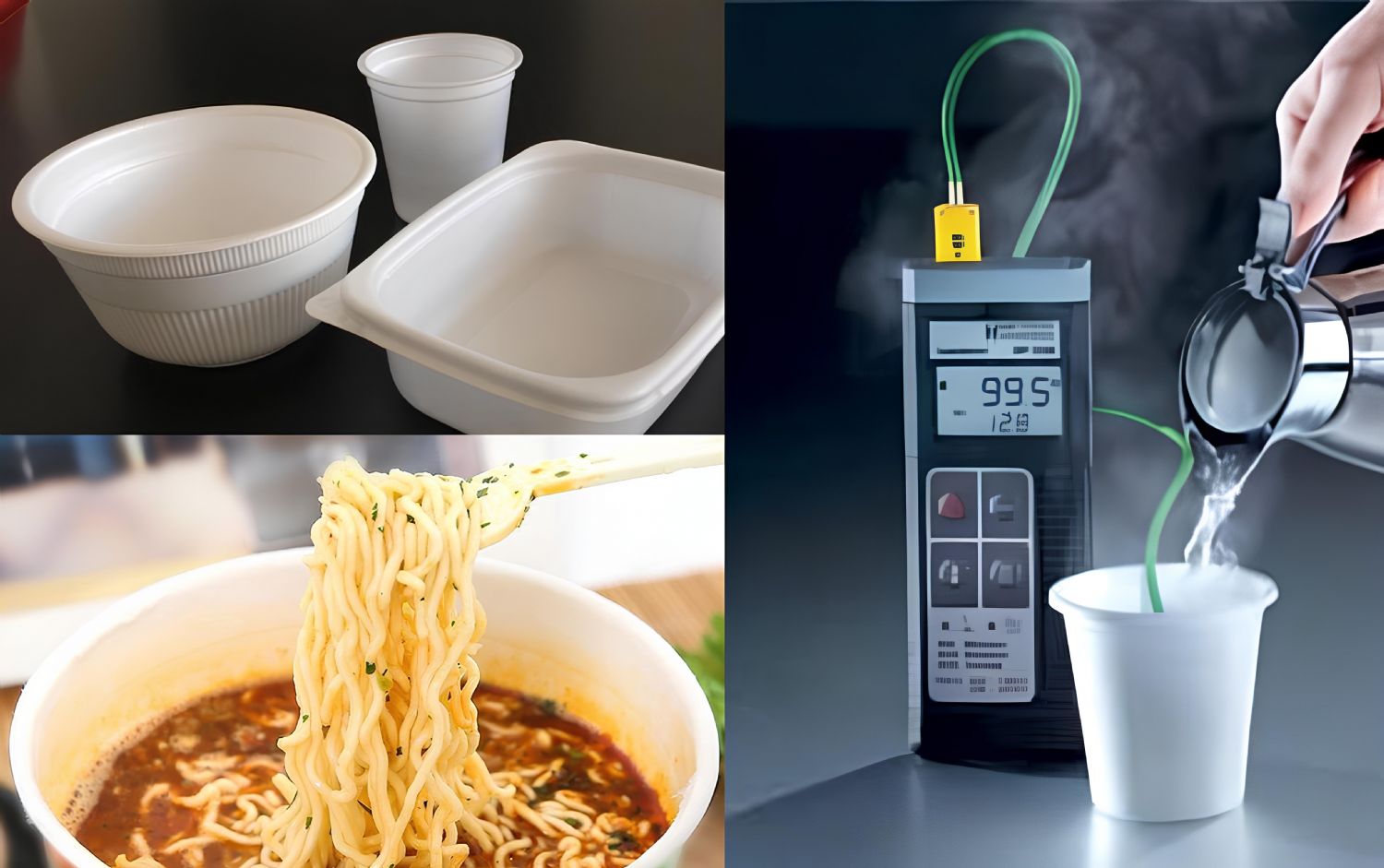
Physical Foaming PP Hot Fill Trays - Bowls - Cups
Physical foaming of PP (Polypropylene) hot fill trays, bowls, and cups involves introducing a physical blowing agent into the polypropylene material during the manufacturing process. This technique creates a lightweight, cellular structure that improves thermal insulation, reduces material usage, and enhances the overall functionality of the product. These products are commonly used in food and beverage industries where heat resistance and durability are essential.
Process Overview
Material Selection Polypropylene is chosen due to its excellent thermal properties, lightweight nature, and recyclability. Additives such as stabilizers, colorants, and barrier layers can be incorporated for improved performance.
Foaming Agent Integration A physical foaming agent such as CO₂ or nitrogen is mixed into the molten polymer. Upon activation, the agent expands, forming gas bubbles within the material to create a cellular structure.
Thermoforming The foamed material is shaped into trays, bowls, or cups using thermoforming techniques. The material is heated to a pliable state, formed into the desired shape, and cooled to solidify the structure.
Finishing Edges are trimmed, and the products may undergo additional processes such as printing, texturing, or labeling to meet design and functional requirements.
Benefits
Lightweight: The cellular structure reduces weight, making transportation and handling easier.
Thermal Insulation: Improved insulation properties help maintain the temperature of hot contents for longer periods.
Material Efficiency: Reduced material usage lowers production costs and environmental impact.
Heat Resistance: PP can withstand high temperatures, making these products suitable for hot fill applications.
Durability: Despite being lightweight, the structure maintains strength and impact resistance.
Applications
Food Service: Hot fill trays and bowls for ready meals, soups, and sauces.
Beverage Industry: Cups designed for hot beverages like coffee and tea.
Retail Packaging: Containers for food items requiring both durability and thermal insulation.
Advancements
Recent developments in physical foaming technologies focus on eco-friendly foaming agents and advanced thermoforming processes. These innovations enable the production of lightweight, durable, and heat-resistant trays, bowls, and cups with enhanced sustainability. Efforts are also being made to improve recyclability by designing foamed products that are compatible with existing recycling systems.
This technology is gaining popularity due to its ability to balance performance, cost-efficiency, and environmental responsibility, meeting the growing demand for sustainable packaging solutions in the food and beverage industry.