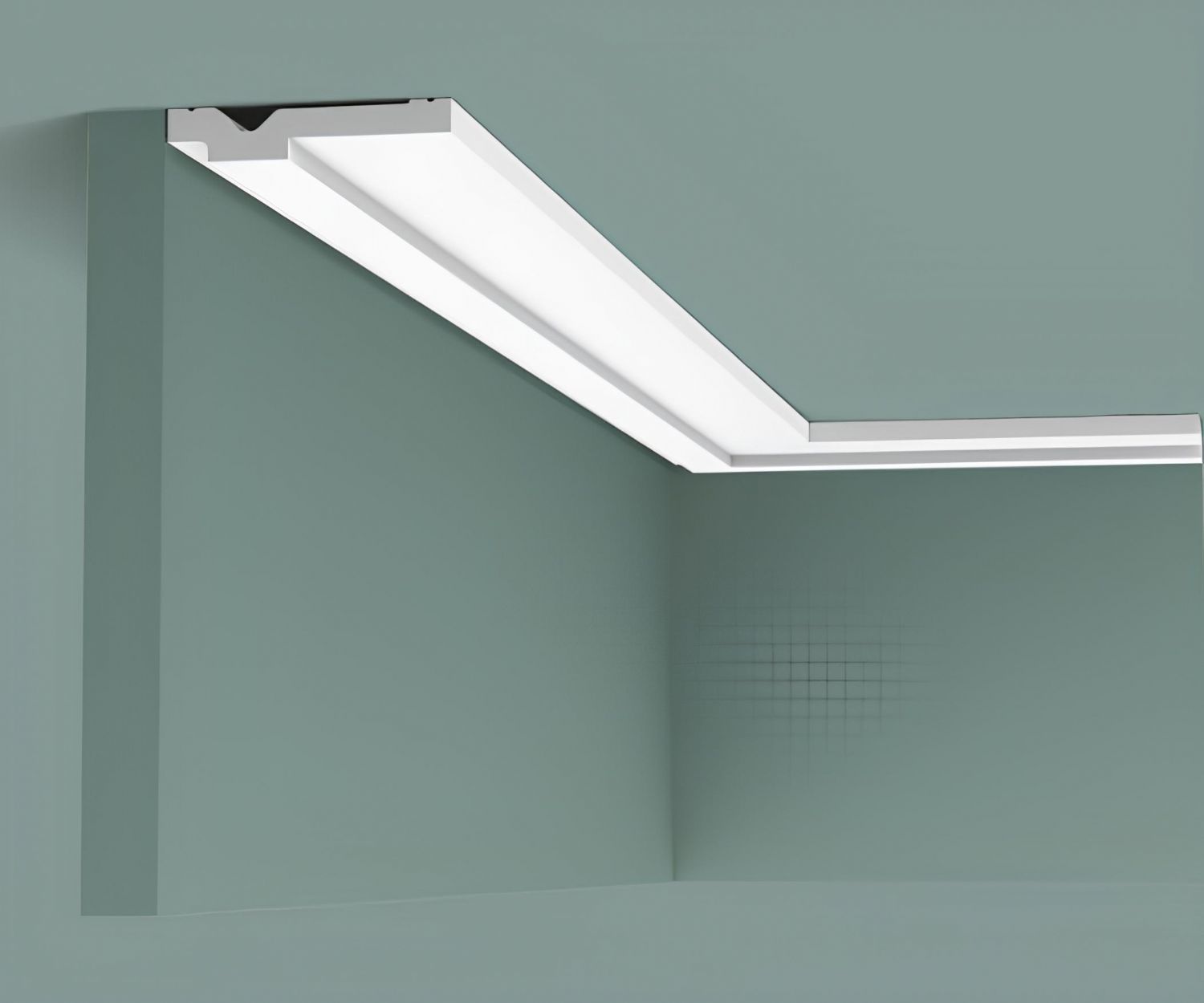
Foaming of Polystyrene (PS) Decorative Profiles
The foaming of polystyrene (PS) decorative profiles is a process in which a foaming agent is added to the material to produce lightweight, durable profiles with a cellular structure. These profiles are commonly used in construction and interior design for applications such as moldings, trims, and ceiling decorations.
During the foaming process, PS granules are melted and mixed with a foaming agent, then shaped through an extrusion method. The foaming agent expands during processing, forming bubbles within the material. The density and properties of the final product are controlled by the type and amount of foaming agent and production parameters. Additives such as flame retardants, colorants, and stabilizers are often included to enhance performance and aesthetics.
Foamed PS profiles stand out for their lightness, cost-effectiveness, versatility in shaping, and thermal insulation properties. However, challenges include achieving a smooth surface, the environmental impact of chemical agents, and the limited mechanical strength of low-density foams. Advances in eco-friendly foaming agents and recycling technologies are helping to address these issues, making these profiles increasingly appealing across various industries.