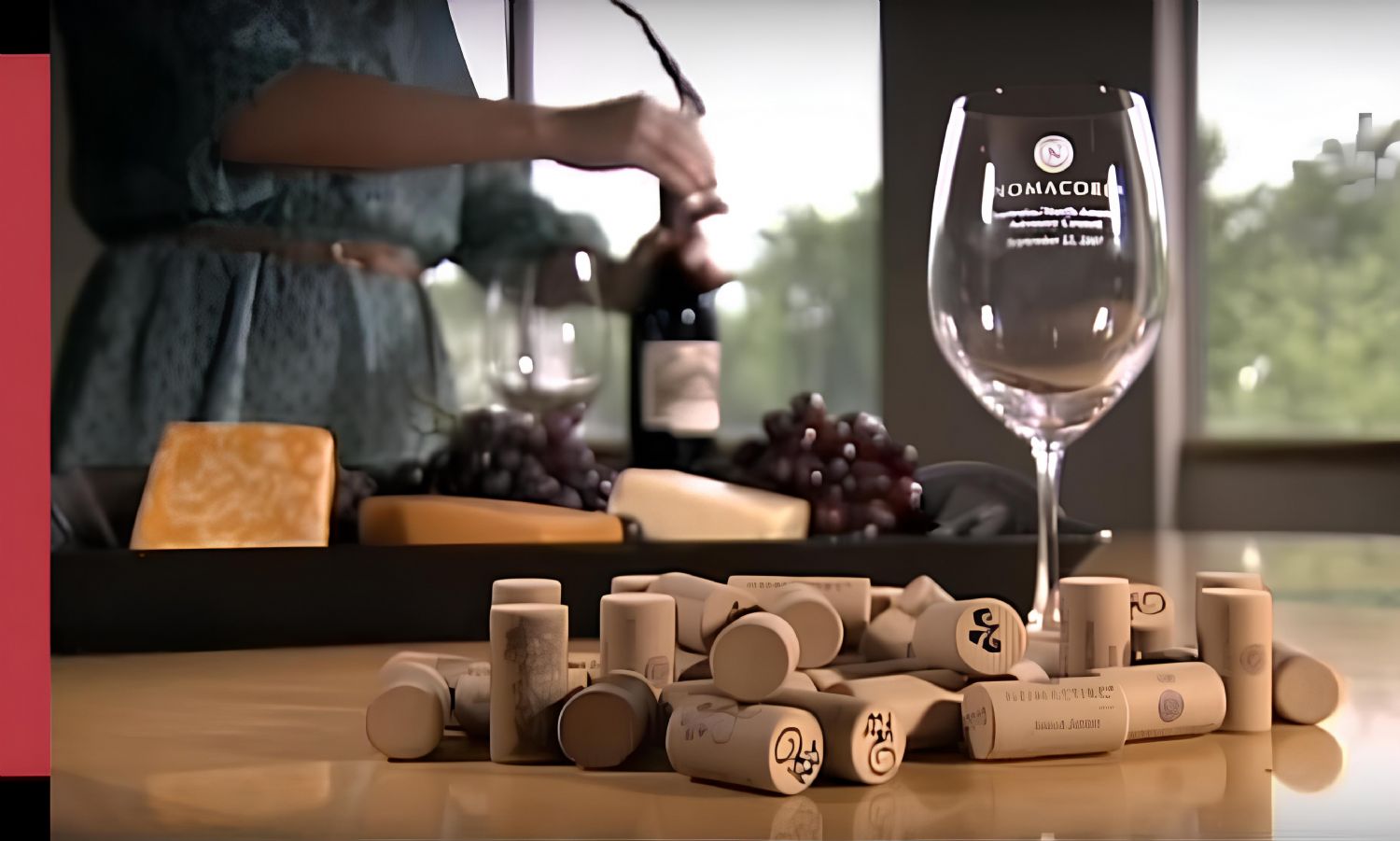
Foaming of artificial corks involves introducing a foaming agent into polymer-based materials to create lightweight, flexible, and durable cork substitutes. This process mimics the structure and performance of natural cork while offering advantages such as consistency, moisture resistance, and cost efficiency.
Process Overview
1. Material Selection: Artificial corks are typically made from thermoplastic polymers like polyethylene (PE), polypropylene (PP), or elastomers. Additives such as colorants and stabilizers are also included for customization and durability.
2. Foaming Agent Introduction: A physical blowing agent (e.g., CO₂ or nitrogen) or chemical blowing agent is mixed with the polymer material. The foaming agent creates gas bubbles upon activation, forming a cellular structure.
3. Extrusion or Molding: The polymer blend is processed through extrusion or injection molding equipment. The foaming agent expands during processing, creating a lightweight, uniform cellular structure.
4. Shaping and Cooling: The foamed material is shaped into cork forms and cooled to solidify its structure. Finishing processes, such as surface texturing, may be applied for aesthetic or functional purposes.
Benefits
- Lightweight and Elastic: Mimics the compressibility and flexibility of natural cork.
- Consistency: Uniform material properties reduce variability, ensuring reliable performance.
- Moisture and Mold Resistance: Synthetic materials resist water absorption and microbial growth.
- Sustainability: Reduces reliance on natural cork, supporting conservation efforts.
- Cost Efficiency: Lower production costs compared to harvesting and processing natural cork.
Applications
- Wine Bottle Stoppers: A primary use for artificial corks, offering consistent sealing performance.
- Industrial Uses: As sealing components, gaskets, or insulating materials in various applications.
- Decorative Purposes: Used in crafts and decorative items due to their uniform appearance and lightweight properties.
Advancements
Recent innovations focus on biodegradable polymers, eco-friendly foaming agents, and advanced processing techniques to enhance the sustainability and functionality of artificial corks. These developments aim to provide a viable alternative to natural cork while maintaining quality and environmental responsibility.