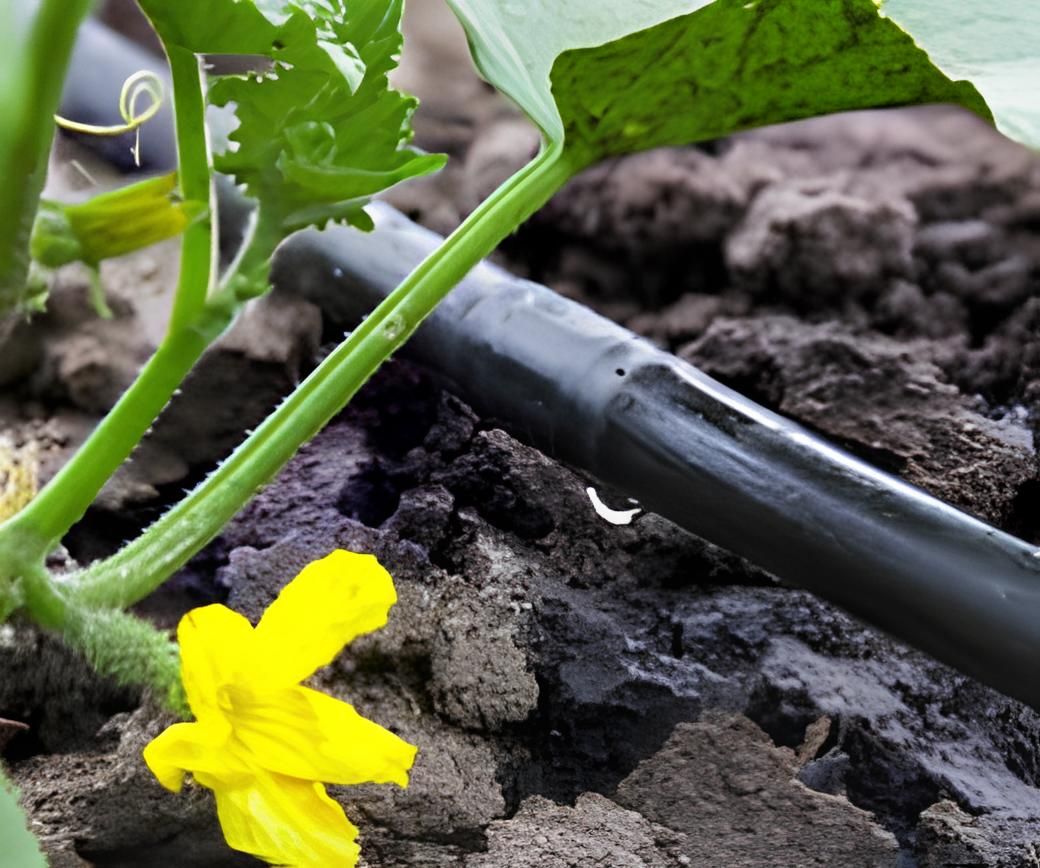
Physical Foaming Drip Irrigation Pipes
Physical foaming is a technique used to create lightweight and insulated drip irrigation pipes. Here's how it works:
Process:
Material Selection: Typically, thermoplastic materials like polyethylene (PE) are used for drip irrigation pipes.
Gas Injection: During the pipe extrusion process, a gas, such as nitrogen or carbon dioxide, is injected into the molten plastic.
Foaming: The gas forms tiny bubbles within the plastic matrix, expanding the material and creating a foam-like structure.
Cooling and Solidification: The pipe is cooled, solidifying the foam structure and creating a lightweight, insulated pipe.
Benefits:
Reduced Weight: Foamed pipes are significantly lighter than solid pipes, making them easier to handle, transport, and install.
Improved Insulation: The air trapped within the foam cells provides excellent thermal insulation, helping to prevent water freezing in colder climates.
Increased Buoyancy: Foamed pipes have increased buoyancy, making them easier to float in water bodies for irrigation.
Reduced Material Usage: Foaming allows for the production of pipes with the same strength and performance using less material, reducing costs and environmental impact.
Applications:
Agricultural Irrigation: Foamed drip irrigation pipes are widely used in various agricultural settings, including orchards, vineyards, and field crops.
Greenhouses: They are also suitable for greenhouse irrigation due to their lightweight and insulating properties.
Landscape Irrigation: Foamed pipes can be used for efficient irrigation of lawns, gardens, and other landscaped areas.
Overall, physical foaming is a promising technique for producing lightweight and efficient drip irrigation pipes, offering several advantages in terms of weight, insulation, and cost-effectiveness. However, careful consideration of the foaming process and material selection is crucial to ensure optimal performance and durability.