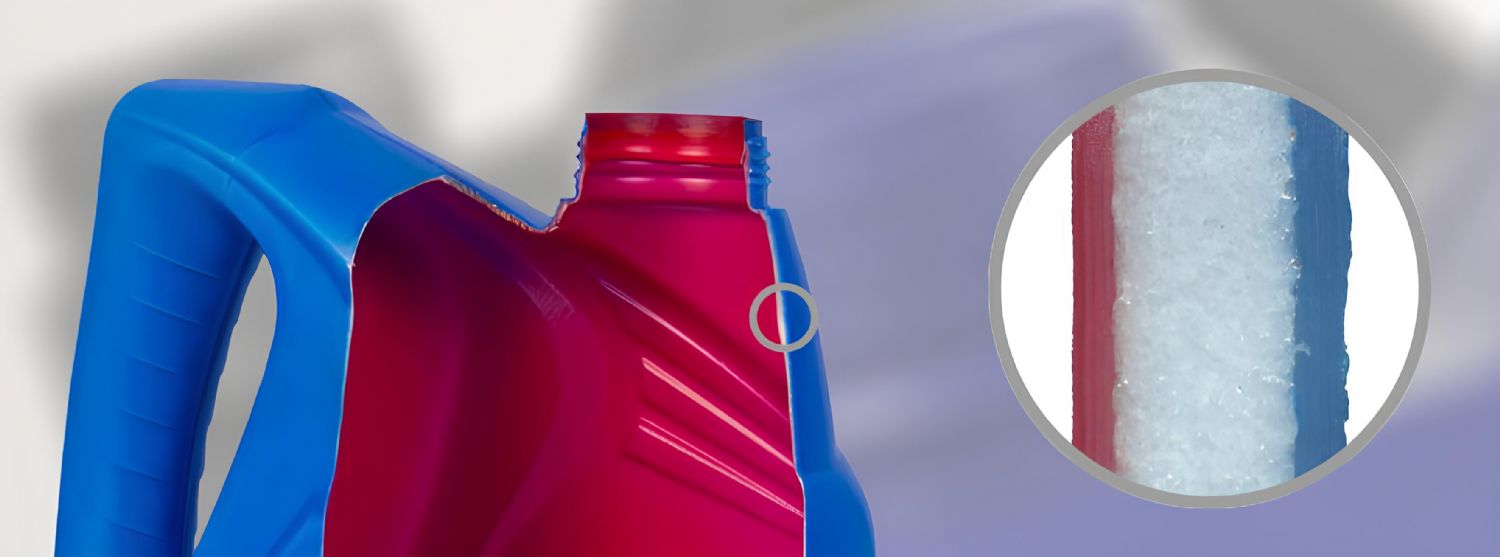
Foaming of bottles and containers refers to a manufacturing process where a foaming agent is incorporated into the base material to produce a lightweight structure with improved properties. This method is widely used in industries such as food, beverage, personal care, and industrial packaging due to its cost-efficiency and practicality.
Process Overview
1. Material selection involves the use of thermoplastics like PET, HDPE, or PP. Additives such as stabilizers, colorants, and barrier layers may be included to enhance specific properties.
2. A foaming agent, which can be physical (such as carbon dioxide or nitrogen) or chemical, is mixed with the material. When activated, the agent forms gas bubbles, creating a cellular structure.
3. Blow molding techniques, such as extrusion blow molding or injection blow molding, are employed to shape the foamed material. The foaming agent expands during the molding process, reducing material density.
4. Cooling and finishing processes solidify the structure. Additional steps such as trimming, texturing, or labeling may be applied to meet design and functional requirements.
Benefits
- Reduction in weight leads to lower transportation costs and decreased material usage.
- Improved thermal insulation helps maintain the temperature of the contents.
- Enhanced impact resistance reduces the likelihood of damage during handling and transport.
- Lower material consumption contributes to cost efficiency.
- Environmentally friendly designs improve recyclability and sustainability.
Applications
- Packaging for beverages like water and juice, offering lightweight and durable bottles.
- Personal care containers for products such as shampoo and lotion, where reduced weight and durability are desirable.
- Industrial uses, including packaging for chemicals, detergents, and lubricants.
Advancements
Recent developments focus on utilizing biodegradable polymers, environmentally friendly foaming agents, and advanced molding techniques. These innovations aim to improve sustainability while maintaining the functionality and practicality of foamed bottles and containers, meeting increasing industry demands for environmentally responsible solutions.