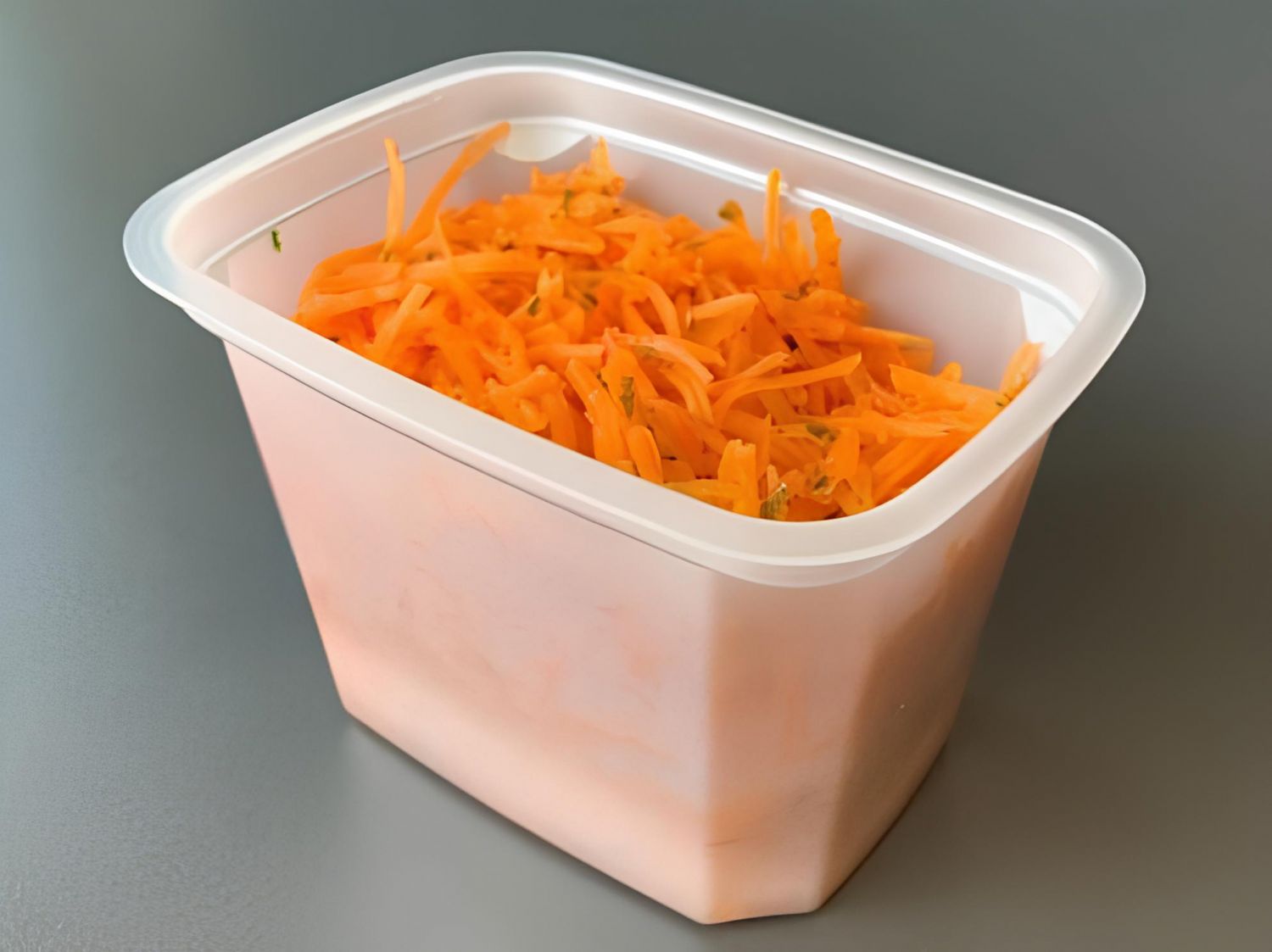
Physical Foaming PP Food Containers
Physical foaming of PP (Polypropylene) food containers is a manufacturing process in which a physical blowing agent is incorporated into the polymer during production. This process creates a lightweight, cellular structure within the material, improving thermal insulation, reducing material usage, and maintaining structural integrity. PP food containers produced with this method are commonly used in the food service and packaging industries due to their cost-effectiveness, durability, and environmental benefits.
Process Overview
Material Selection
Polypropylene is chosen for its excellent thermal properties, lightweight nature, and recyclability.
Additives such as stabilizers, colorants, and barrier layers may be included to enhance specific properties.
Blowing Agent Introduction
A physical blowing agent, such as carbon dioxide (CO₂) or nitrogen, is injected into the molten polymer during the extrusion process.
As the material exits the extruder, the pressure drop activates the blowing agent, causing it to expand and create microcellular structures within the material.
Shaping and Forming
The foamed material is thermoformed into containers such as trays, bowls, or lids.
The forming process ensures uniform wall thickness and the desired dimensions for the specific container application.
Cooling and Finishing
The foamed containers are cooled to stabilize their structure.
Additional finishing steps, such as trimming, printing, or surface texturing, may be applied to enhance functionality and aesthetics.
Benefits
Lightweight
The cellular structure reduces the weight of the containers, making transportation and handling more efficient.
Thermal Insulation
Improved insulation properties help maintain the temperature of hot or cold food items for longer periods.
Cost Efficiency
Reduced material usage lowers production costs while maintaining product performance.
Durability
Despite being lightweight, foamed PP containers retain mechanical strength and impact resistance.
Sustainability
Physical foaming uses eco-friendly blowing agents, minimizing environmental impact compared to chemical alternatives.
Applications
Ready-to-Eat Meals
Lightweight, insulated containers for hot or cold ready meals.
Takeaway Packaging
Durable and lightweight containers for restaurants, cafes, and fast-food services.
Fresh Food Packaging
Trays and containers for fresh produce, meat, dairy products, and baked goods.
Catering and Events
Disposable yet sturdy containers for large-scale food service and catering operations.
Advancements
Recent innovations in physical foaming technology focus on using biodegradable and recyclable PP materials, as well as eco-friendly blowing agents. Advanced extrusion and thermoforming techniques improve foam uniformity and enhance the mechanical and thermal properties of the containers. These developments aim to meet growing demands for lightweight, sustainable, and functional food packaging solutions.
Foamed PP food containers combine the benefits of reduced weight, improved insulation, and cost-effectiveness, making them an ideal choice for modern food packaging applications.