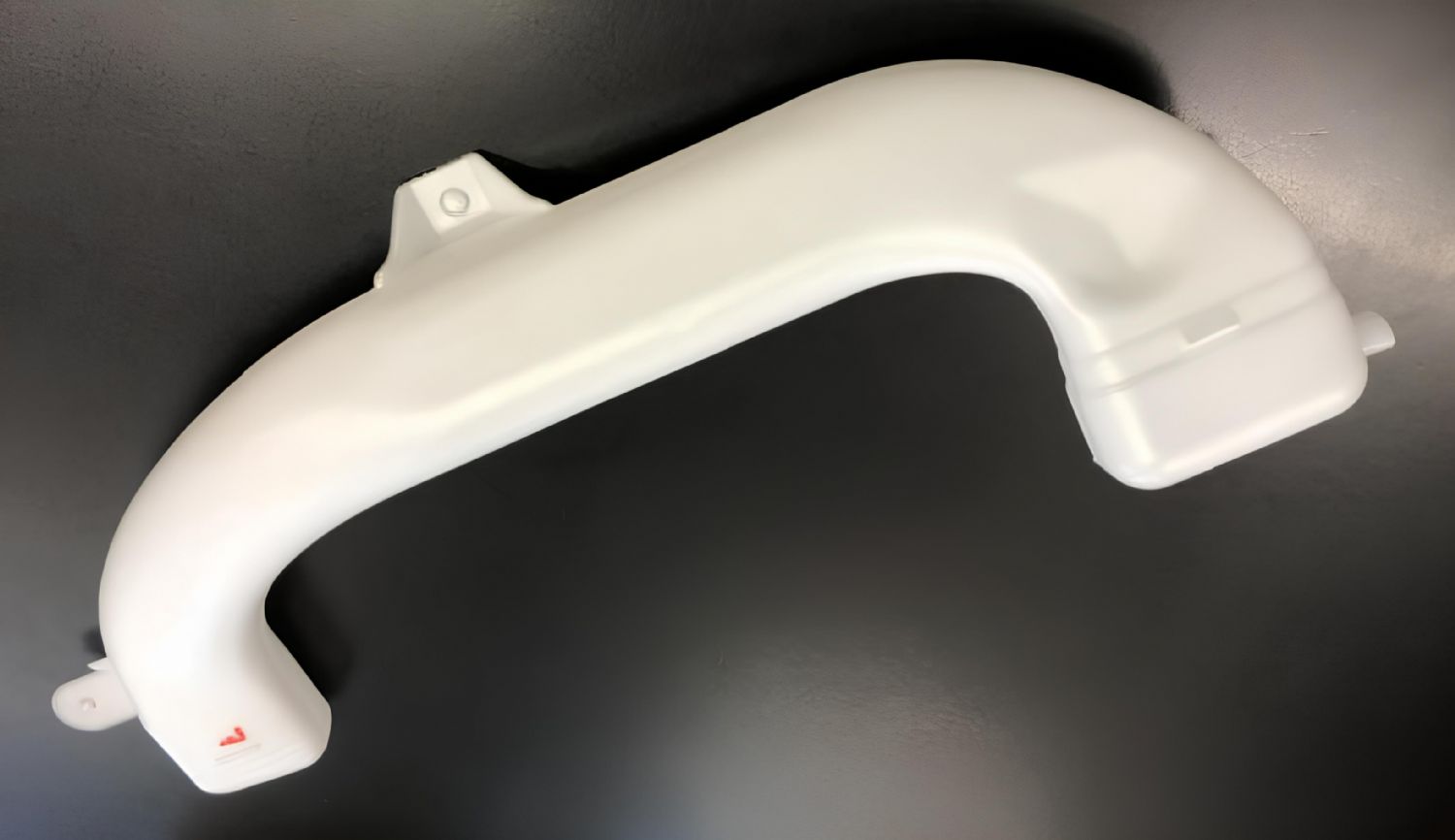
Physical Foaming Automotive Air Ducts
Physical foaming of automotive air ducts is a manufacturing process where a physical blowing agent is incorporated into the polymer material to produce lightweight, durable, and thermally insulated ducts. This technology is widely used in the automotive industry to improve energy efficiency, reduce vehicle weight, and enhance overall system performance.
Process Overview
Material Selection
Thermoplastics such as polypropylene (PP) and polyethylene (PE) are commonly used due to their durability, flexibility, and lightweight properties.
Additives such as stabilizers, flame retardants, and thermal resistance enhancers may be incorporated to meet specific performance requirements.
Blowing Agent Introduction
A physical blowing agent, such as carbon dioxide (CO₂) or nitrogen, is injected into the molten polymer during the extrusion process.
As the material exits the extrusion die, the pressure drop causes the blowing agent to expand, forming a cellular foam structure within the material.
Shaping
The foamed polymer is shaped into tubes or ducts using extrusion or molding techniques.
The dimensions, thickness, and geometry of the ducts are tailored to suit specific automotive applications.
Cooling and Stabilization
The shaped air ducts are cooled to solidify the foamed structure.
Additional processes such as trimming, preparing connection points, or surface treatments may be performed.
Benefits
Weight Reduction
The cellular foam structure significantly reduces the weight of the air ducts, lowering overall vehicle weight and improving fuel efficiency.
Thermal Insulation
The foamed structure helps maintain the temperature of air flowing through the ducts, enhancing HVAC (heating, ventilation, and air conditioning) efficiency.
Noise Reduction
The foam structure absorbs vibrations and reduces noise generated by air movement, improving acoustic performance.
Cost Efficiency
Lower material consumption reduces production costs and environmental impact.
Flexibility and Durability
Foamed air ducts maintain mechanical strength while offering flexibility for easier installation and handling.
Applications
HVAC Systems
Lightweight and insulated air ducts for vehicle climate control systems.
Engine Airflow Systems
Ducts designed for air intake and exhaust management to optimize engine performance.
Exhaust Gas Recirculation (EGR) Systems
Thermally resistant ducts for redirecting exhaust gases.
Advancements
Recent advancements in physical foaming technology for automotive air ducts include the use of eco-friendly blowing agents and improved extrusion and molding techniques. These innovations ensure uniform foam structures and enhance the thermal and mechanical properties of the ducts. Additionally, the integration of recyclable and biodegradable polymer materials addresses environmental concerns.
Physical foaming technology provides automotive manufacturers with lightweight, durable, and energy-efficient solutions, making it an ideal choice for modern vehicles. These ducts contribute to improved vehicle performance while supporting sustainability goals.