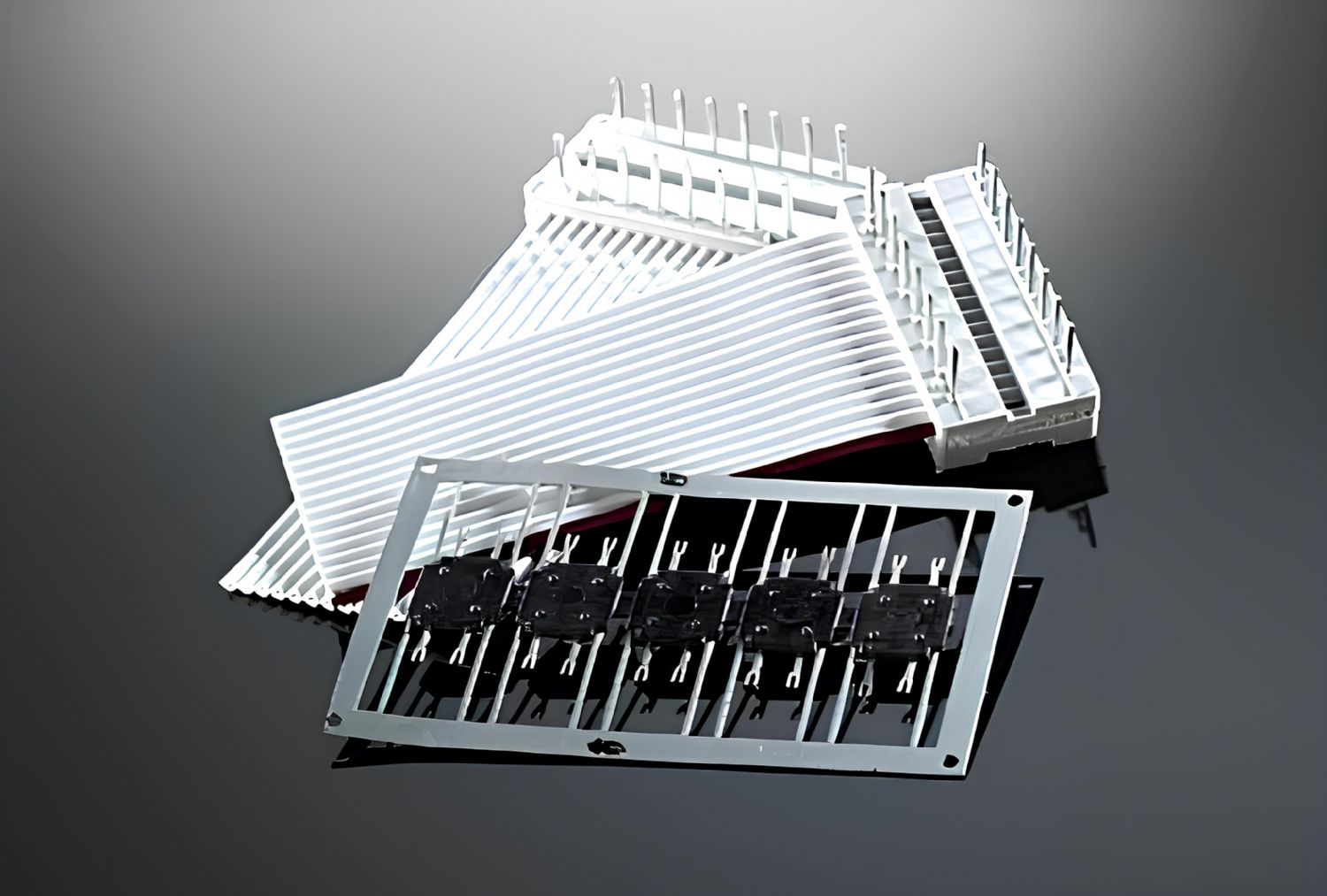
Insert Molding Process with Dr. BOY Injection Molding Machines
Insert molding is an advanced injection molding process in which a pre-formed component—typically made of metal or plastic—is placed into an injection mold and partially or fully encapsulated with molten thermoplastic material. This technology enables the production of compact, durable, and highly functional components by integrating multiple functions into a single molded part. Injection molding machines from Dr. BOY provide the precision, stability, and repeatability required for reliable insert molding through a compact and robust machine design.
What Is Insert Molding?
Insert molding is based on positioning a pre-manufactured insert into a mold cavity—either manually or via automation—and subsequently injecting thermoplastic material around it. Inserts can be made of metal, ceramic, or plastic and are commonly used to add mechanical strength, electrical conductivity, threaded features, or structural rigidity to the final part.
The main objectives of insert molding include:
Eliminating secondary assembly operations
Increasing mechanical strength and durability
Combining electrical and mechanical functions in a single component
Enabling more compact and reliable product designs
As a result, insert molding offers both functional and economic advantages over traditional assembly-based manufacturing methods.
Suitability of Dr. BOY Machines for Insert Molding
Dr. BOY injection molding machines are particularly well suited for insert molding applications, especially in the small- to medium-tonnage range. Their precise injection control ensures that inserts remain correctly positioned throughout the injection process.
The stable clamping system prevents insert displacement during mold filling, while the cantilever (tie-bar-less) clamping design provides excellent access to the mold area. This facilitates easy insert placement and supports both manual operations in R&D or low-volume production and automated high-volume manufacturing.
Process Stages
A typical insert molding cycle consists of the following steps:
Insert Placement
The insert is positioned in a dedicated cavity or fixture within the mold, either manually or using robotic automation. Accurate positioning is critical for part quality and functionality.
Mold Closing and Clamping
The mold is closed, and the insert is securely fixed in place by the clamping force. The stable clamping behavior of Dr. BOY machines prevents movement of the insert during injection.
Injection (Overmolding of the Insert)
Molten thermoplastic material is injected around the insert or into defined areas. Injection speed and pressure profiles are carefully controlled to avoid mechanical stress or deformation of the insert.
Cooling and Part Removal
After cooling, the mold opens and the finished part is removed. Part handling is commonly automated using robotic systems to ensure consistency and efficiency.
Material Compatibility and Bonding Mechanisms
Bonding in insert molding is achieved through two primary mechanisms:
Mechanical Interlocking
The plastic material mechanically locks onto features such as holes, grooves, undercuts, or textured surfaces on the insert.
Thermal and Chemical Interaction
In compatible material combinations—particularly plastic-to-plastic inserts—surface-level bonding may occur due to thermal interaction during molding.
For this reason, insert geometry and mold design play a decisive role in achieving reliable bonding and long-term performance.
Injection Control and Mold Protection
Precise injection control is essential in insert molding. Excessive pressure or abrupt injection speed changes can cause insert displacement, deformation, or even mold damage.
Dr. BOY injection molding machines deliver stable injection movements and accurate pressure control, even at low injection speeds. This capability:
Reduces the risk of insert damage
Extends mold service life
Minimizes flash and surface defects
These advantages are especially important when processing thin metal inserts or delicate electrical contacts.
Automation and Serial Production
Insert molding is highly compatible with automation. Dr. BOY machines can be easily integrated with robotic insert placement systems, camera-based position verification, and automated part removal solutions.
Automation enables:
Shorter and more consistent cycle times
Reduced human error
Improved suitability for cleanroom and high-precision environments
This makes insert molding particularly attractive for high-volume serial production.
Typical Insert Molding Applications
Insert molding using Dr. BOY injection molding machines is widely applied in:
Plastic components with metal threads or embedded nuts
Electrical connectors and contact-bearing components
Sensor housings and electronic enclosures
Medical device components
Automotive technical and interior trim parts
Why Choose Dr. BOY for Insert Molding?
Dr. BOY combines the precision, stability, and automation compatibility required for insert molding into compact and reliable injection molding machines. Accurate injection control, easy mold accessibility, high repeatability, and low scrap rates make Dr. BOY machines a strong solution for insert molding applications.
For manufacturers focused on functional integration, durability, and efficient production, Dr. BOY provides a sustainable and competitive platform for insert molding processes.