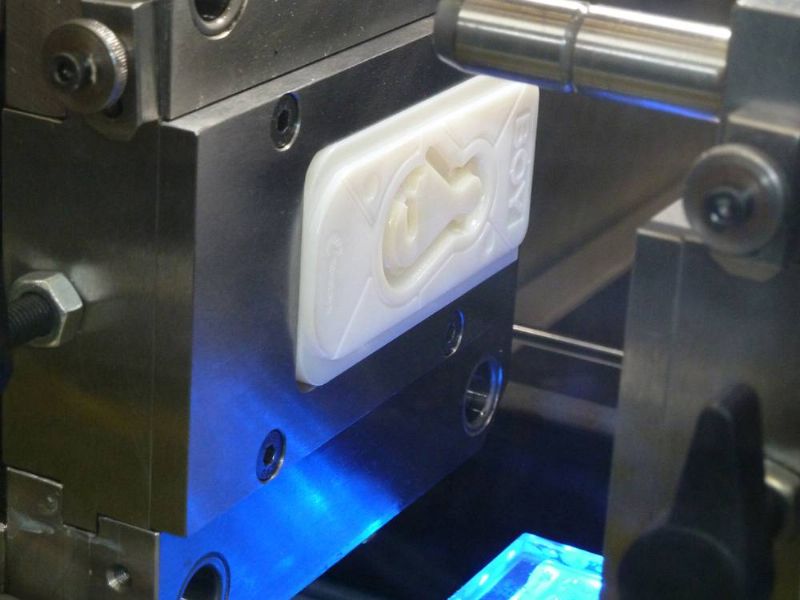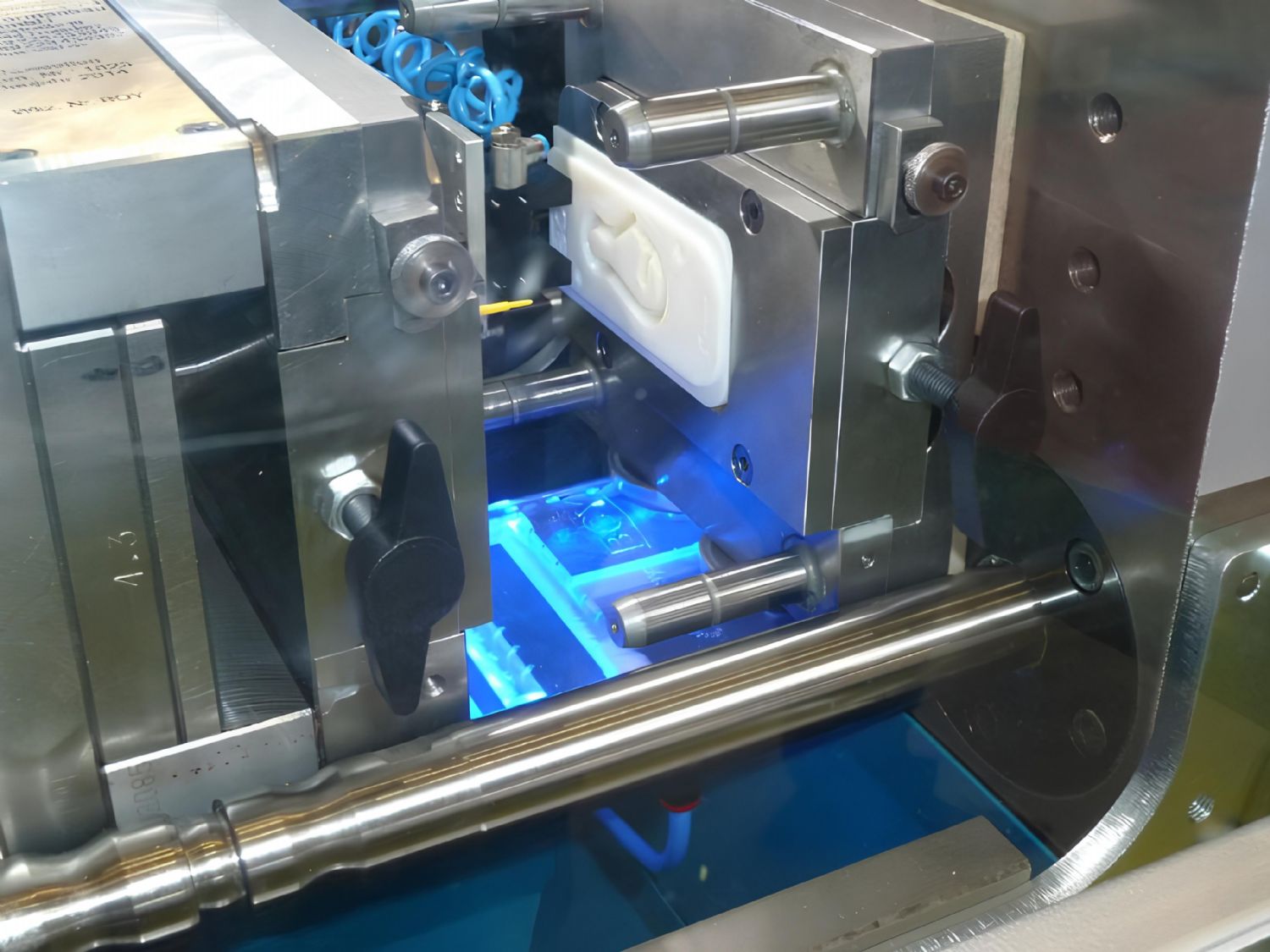
3D-Printed Plastic Injection Mold Production
3D-Printed Plastic Injection Mold Production with Dr. BOY Injection Molding Machines
3D printing (additive manufacturing) technologies have introduced the concept of rapid tooling into the injection molding industry, significantly accelerating the transition from prototyping to pilot production. While conventional steel molds remain the standard for high-volume mass production, injection mold inserts or low-volume molds produced by 3D printing offer substantial time and cost advantages for product validation, functional testing, market trials, and low-to-medium volume manufacturing. Injection molding machines from Dr. BOY provide an ideal platform for the safe and repeatable use of 3D-printed molds thanks to their compact design and precise process control.
What Is 3D-Printed Injection Mold Production?
3D-printed injection mold production refers to the manufacturing of mold inserts-such as cores, cavities, and runner inserts-or, in some cases, complete mold components using polymer-based or metal-based additive manufacturing technologies. These molds are then used in injection molding machines to produce parts under conditions close to real production environments.
This approach is particularly preferred for:
Design validation and rapid iteration
Functional prototype production
Pilot and pre-series manufacturing
Market testing and fast time-to-market
Process validation prior to final steel mold investment
Advantages and Limitations Compared to Steel Molds
Advantages:
Significantly shorter lead times (days or weeks)
Lower initial investment cost
Rapid implementation of design revisions
Cost-effective solution for low-volume production
Limitations:
Shorter mold life and lower mechanical strength
Limited temperature resistance and heat transfer capability
Sensitivity to high injection pressures and aggressive injection profiles
Restrictions in cooling channel design and surface durability
For these reasons, machine selection and precise process control are decisive factors for mold safety and part quality when using 3D-printed tooling.
Why Are Dr. BOY Machines Well Suited?
Compared to steel molds, 3D-printed molds require a more sensitive and controlled processing approach. The high precision and stability offered by Dr. BOY injection molding machines-especially in the small and medium clamping force range-provide clear advantages for these applications.
Key benefits include:
Stable low-pressure injection with precise speed control
Repeatable dosing and controlled holding pressure
Compact layout and easy integration into production cells
Easy mold access thanks to the tie-bar-less (cantilever) design
Fast mold changes in R&D and prototyping environments
Process Flow: Injection Molding with 3D-Printed Molds
Mold Design and 3D Printing
Mold inserts are designed according to the selected material and target production volume. In polymer-based printing, heat resistance and mechanical strength are critical, while surface quality and thermal behavior are key factors for metal-based printing.
Surface Preparation and Mold Assembly
3D-printed inserts often require surface finishing operations such as polishing, coating, or chemical smoothing, as well as dimensional verification. They are then mounted into a standard mold base and prepared for injection molding.
Machine Settings and Mold Protection Strategy
Sudden pressure peaks can cause cracks or deformation in 3D-printed molds. Therefore, it is essential to:
Start with lower injection speeds
Define pressure limits
Apply holding pressure in a controlled manner
Use staged or progressive filling if necessary
The precise control capabilities of Dr. BOY machines make it easier to implement these mold protection strategies reliably.
Injection, Cooling, and Part Removal
Heat transfer in 3D-printed molds differs from that of steel molds, requiring careful management of cooling times and mold temperatures. Stable cycle conditions help extend mold life and improve part repeatability.
Temperature Management and Cycle Optimization
Polymer-based 3D-printed molds have limited resistance to high temperatures. As a result, lower-melting materials and reduced barrel temperatures are typically preferred. Metal 3D-printed inserts may offer improved thermal conductivity, but surface quality and dimensional tolerance control remain critical.
Because cooling channels can be designed more freely using 3D printing (conformal cooling), cycle times can be optimized when properly engineered. Nevertheless, the primary goal of 3D-printed molds is usually fast validation and low-to-medium volume production rather than maximum output.
Suitable Materials and Typical Products
Polymers most commonly processed with 3D-printed molds include:
PP, PE
PS
ABS (under suitable conditions)
TPU / TPE (with low-pressure processing)
Selected engineering plastics with low processing temperatures
Typical applications include:
Medical prototype components
Consumer products and housings
Automotive interior trim prototypes
Custom functional parts and test samples
Low-volume products and market trials
Why Combine 3D-Printed Molds with Dr. BOY?
Injection molds produced by 3D printing are a powerful tool for rapid product development and low-volume manufacturing. However, successful implementation requires a highly precise and well-controlled injection molding process. Dr. BOY injection molding machines enable the safe and effective use of 3D-printed molds through stable low-pressure filling, precise speed and temperature control, easy mold access, and high repeatability.
As a result, for R&D, prototyping, pilot series, and fast market-entry projects, the combination of 3D-printed mold production and Dr. BOY injection technology provides a fast, flexible, and cost-effective manufacturing solution.