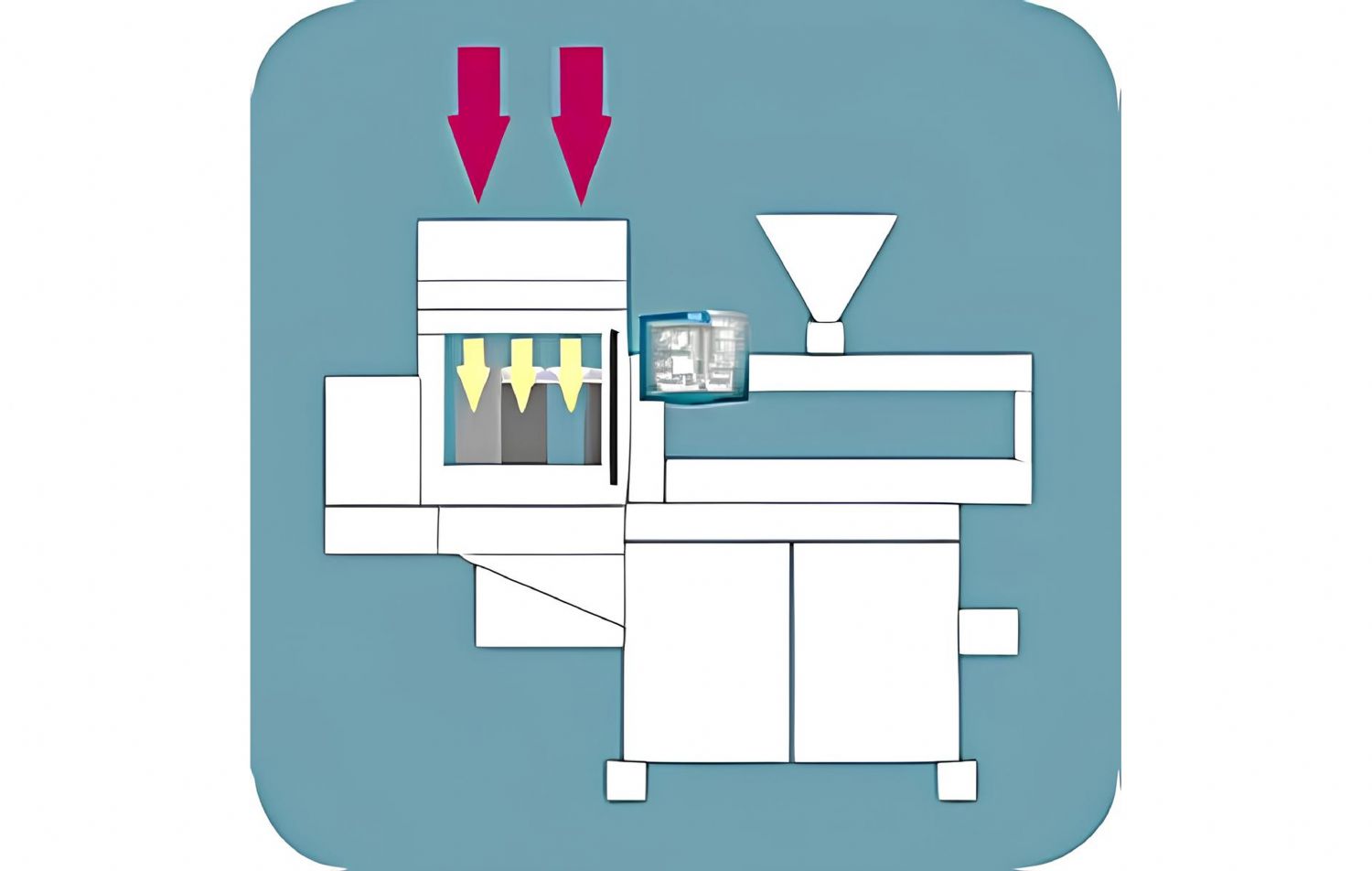
Cleanroom Injection Molding Process with Dr. BOY Injection Molding Machines
Cleanroom injection molding is an advanced plastic manufacturing process carried out in specially controlled environments where particulate contamination, microbial exposure, and environmental influences are strictly regulated. In industries such as medical devices, pharmaceuticals, biotechnology, electronics, and other high-precision applications, cleanroom production has become a critical requirement to ensure product safety, traceability, and consistent quality. Injection molding machines from Dr. BOY offer an ideal platform for cleanroom production cells thanks to their compact design, process stability, and automation-ready architecture.
What Is Cleanroom Injection Molding?
Cleanroom injection molding refers to injection molding operations performed in controlled environments classified according to ISO 14644 standards. In these environments, airborne particle concentration, temperature, humidity, and pressure differentials are continuously monitored and controlled.
The main objectives of cleanroom injection molding are:
Preventing particulate contamination on product surfaces
Minimizing microbiological risk
Reducing human contact with the product
Ensuring consistent, repeatable product quality
These requirements directly influence not only the injection molding process itself, but also machine design, automation level, and overall production layout.
Cleanroom Suitability of Dr. BOY Machines
Dr. BOY injection molding machines inherently support cleanroom applications through a machine architecture designed for compactness and process reliability. Small- and medium-tonnage machines are particularly well suited for the typical dimensions and shot weights of medical and precision components.
The compact footprint allows machines to occupy minimal space within the cleanroom, helping to preserve laminar airflow patterns and avoid turbulence. This contributes directly to maintaining cleanroom classification.
In addition, Dr. BOY machine design supports cleanroom requirements through:
Smooth, easy-to-clean exterior surfaces
Motion systems that generate minimal dust and oil aerosols
Low-vibration and low-noise operation
These characteristics reduce contamination risks and simplify routine cleaning procedures.
Automation and Reduction of Human Interaction
In cleanroom production, human presence is the primary source of contamination. For this reason, Dr. BOY injection molding machines are designed for easy integration with automation solutions such as robotic part removal systems, automated conveyors, and inline packaging units.
By automating part removal, separation, visual inspection, and packaging:
Human contact with molded parts is minimized
Product safety and consistency are improved
Cycle times become more stable and predictable
This approach is particularly common in ISO Class 7 and ISO Class 8 cleanroom environments.
Process Stability and Repeatability
Cleanroom manufacturing demands absolute cycle-to-cycle repeatability. Dr. BOY injection molding machines feature advanced control systems capable of precisely regulating injection speed, pressure profiles, screw position, and cycle times.
This high level of process stability ensures:
Tight control of part weight and dimensional tolerances
Reduced scrap rates
Reliable execution of validation and qualification activities such as IQ, OQ, and PQ
Such consistency is essential in regulated industries where documentation and reproducibility are mandatory.
Cleanroom Integration and Cell-Based Production
Dr. BOY machines can be configured to operate within cleanroom production cells that include robots, camera inspection systems, sealed conveyors, and automated packaging solutions.
Machine-mounted or surrounding laminar airflow (LAF) units can be added to create localized clean zones, enabling higher cleanliness levels—such as ISO Class 5—within a broader cleanroom environment.
This cell-based approach allows efficient use of cleanroom space and helps optimize overall investment costs.
Material Compatibility and Processing Capabilities
Typical materials processed in cleanroom injection molding include:
PP and PE (medical and pharmaceutical grades)
PC, COC, and COP
Medical-grade TPU and TPE
Silicone and LSR-based materials
Dr. BOY injection molding machines provide precise temperature and injection control, allowing these materials to be processed safely within their often narrow processing windows.
Typical Cleanroom Applications
Products commonly manufactured in cleanroom environments using Dr. BOY injection molding machines include:
Medical disposables
Syringes and drug-delivery components
Diagnostic test components
Pharmaceutical caps and dosing elements
Sensitive electronic and optical housings
Why Choose Dr. BOY for Cleanroom Injection Molding?
Dr. BOY combines compact machine design, high process stability, and automation compatibility into a single injection molding concept optimized for cleanroom production. Low particle generation, high repeatability, easy-to-clean construction, and suitability for cell-based manufacturing make Dr. BOY machines a strong solution for cleanroom applications.
For manufacturers in medical and precision industries—where quality, safety, and regulatory compliance are critical—Dr. BOY provides a reliable and sustainable platform for cleanroom injection molding.