3D-Printed Mold Production Process with Dr. BOY Injection Molding Machines
While 3D printing technologies offer speed and design flexibility in product development, injection molding remains essential for achieving high quality, repeatability, and cost efficiency in series production. The combination of these two technologies—using 3D-printed molds in injection molding—creates an effective bridge between prototyping and low- to medium-volume production.
Dr. BOY injection molding machines provide an ideal platform for safely, reliably, and repeatedly using 3D-printed molds thanks to their precise process control and compact machine design.
What Is 3D-Printed Mold Production?
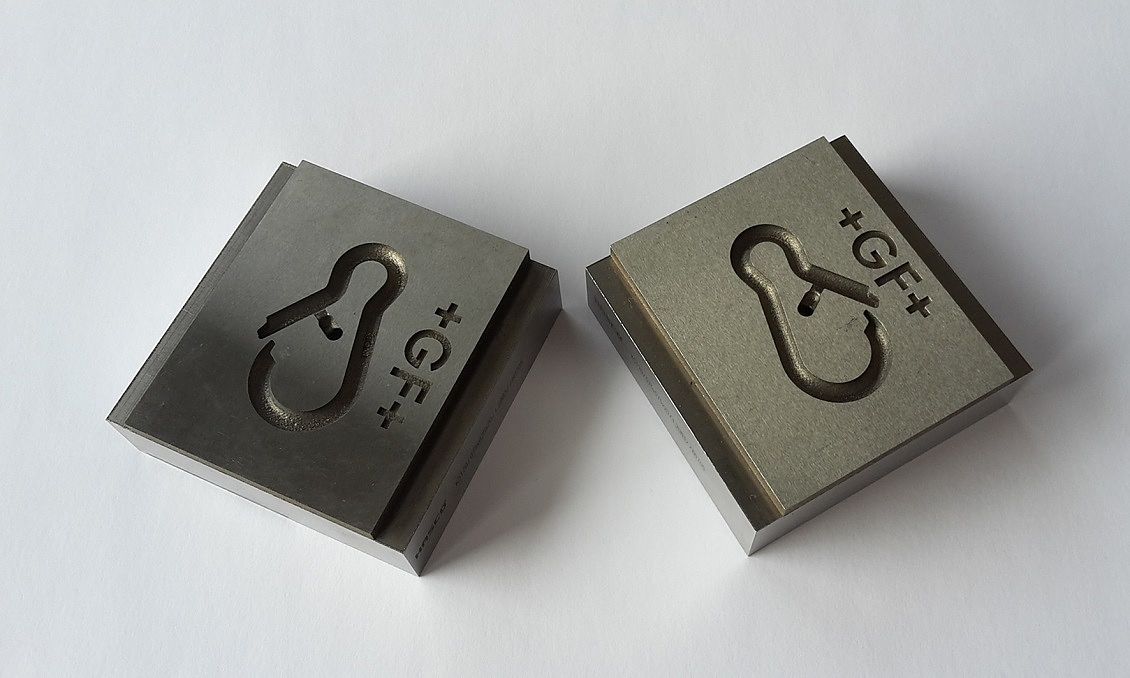
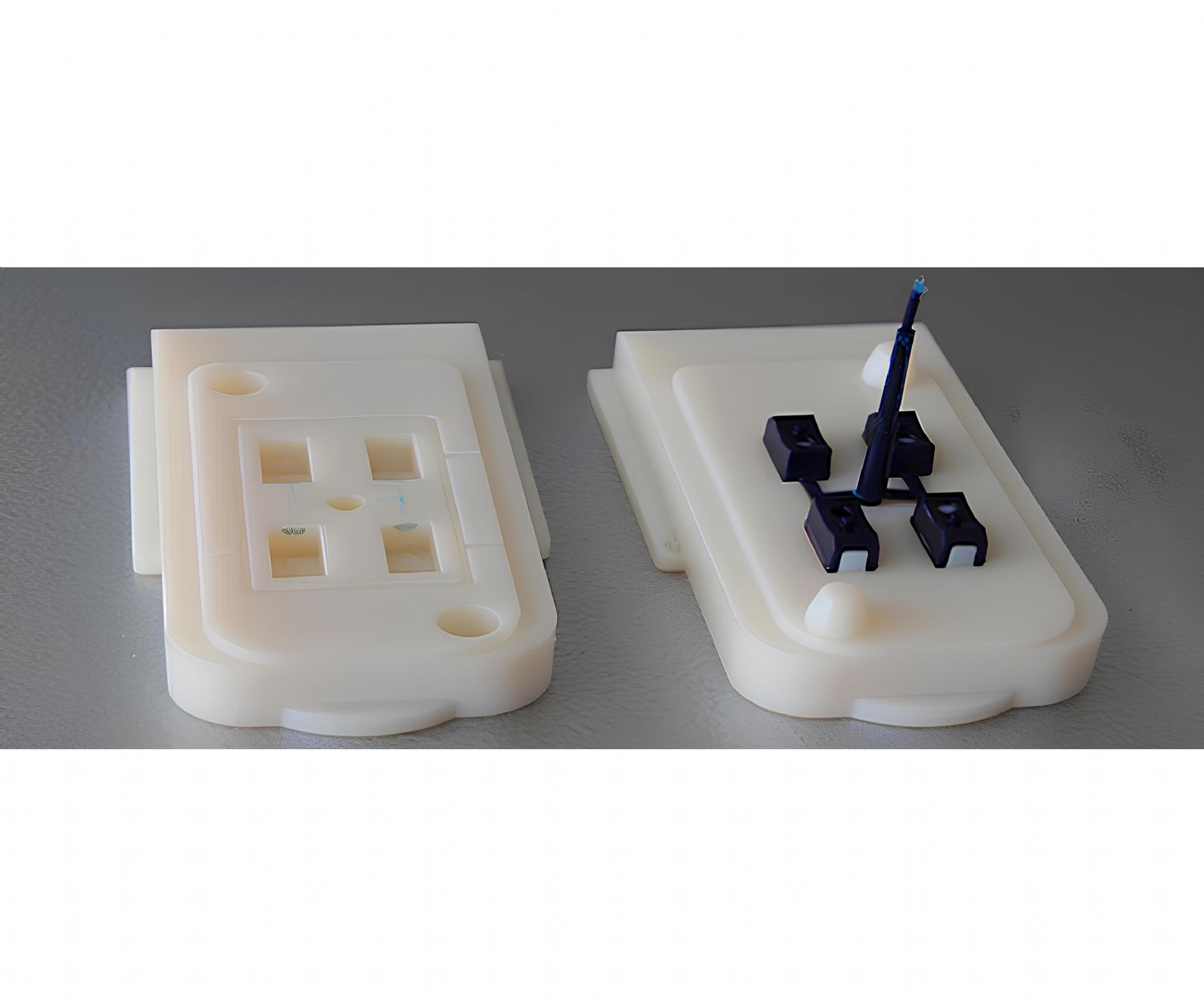
3D-printed mold production refers to the use of additive manufacturing technologies to produce plastic- or metal-based mold inserts or complete molds that are then used in injection molding. These molds are typically applied to obtain parts under real production conditions during early development phases.
This approach is commonly used for:
– Rapid product design validation
– Functional prototyping
– Pilot and pre-series production
– Projects requiring fast time-to-market
– Process validation before investing in a final steel mold
Compared to conventional steel molds, 3D-printed molds can be manufactured much faster and at significantly lower cost. However, their mechanical strength, thermal resistance, and service life are more limited, making precise injection process control essential.
Suitability of Dr. BOY Machines for 3D-Printed Molds
3D-printed molds generally require lower clamping forces and are more sensitive to sudden pressure peaks. Dr. BOY injection molding machines, with their high-precision control capabilities in the small- to medium-tonnage range, are particularly well suited for these applications.
The cantilever (tie-bar-less) clamping design provides excellent accessibility to the mold area, allowing fast and safe mold changes. This is especially valuable in R&D and prototyping environments where frequent mold swaps are common.
Plasticizing and Injection Control
One of the main limitations of 3D-printed molds is their sensitivity to high injection pressures and rapid load changes. For this reason, injection speed, pressure, and holding profiles must be carefully controlled.
Servo-controlled hydraulic systems used in Dr. BOY machines deliver stable, vibration-free injection movements even at very low injection speeds. This capability:
– Protects mold surfaces from damage
– Reduces flash and surface defects
– Extends the usable life of the 3D-printed mold
Controlled, low-pressure filling ensures accurate part geometry while minimizing mechanical stress on the mold.
Temperature Management and Mold Protection
Temperature control is far more critical for 3D-printed molds than for steel molds. Metal 3D-printed molds exhibit different heat-transfer behavior, while polymer-based 3D-printed molds have limited thermal resistance.
Dr. BOY injection molding machines provide precise barrel temperature control and stable mold heating integration, allowing thermal loads on the mold to be carefully managed. This results in:
– Reduced risk of mold deformation
– Lower likelihood of premature mold failure
– Improved part surface quality
Smooth injection transitions and precise holding pressure control further support effective mold-protection strategies.
From Prototype to Pilot Production
One of the most significant advantages of 3D-printed molds is the ability to test parts under real injection molding conditions before committing to an expensive steel mold. Injection trials performed on Dr. BOY machines allow manufacturers to:
– Validate part geometry
– Analyze material behavior
– Define cycle times and process windows
This approach reduces the risk of costly modifications in steel molds and lowers overall project cost and lead time.
Material Selection and Typical Applications
When using 3D-printed molds, materials with low to medium melting temperatures are typically preferred. Commonly processed materials include:
– PP
– PE
– PS
– ABS
– TPU
– Selected engineering plastics with low processing temperatures
This method is widely applied in medical prototypes, consumer products, automotive interior components, technical housings, and custom functional parts.
Process Repeatability and Data Collection
Monitoring process data is essential when molding with 3D-printed tools, as it helps evaluate both mold behavior and part quality. Advanced control systems in Dr. BOY machines allow detailed monitoring and recording of:
– Injection pressure
– Screw position
– Temperature profiles
– Cycle times
These data provide valuable feedback for design improvements and for optimizing the final steel mold design.
Why Choose Dr. BOY for 3D-Printed Mold Applications?
Dr. BOY delivers the precision, stability, and process safety required to use 3D-printed molds effectively in injection molding. Stable low-pressure injection, accurate temperature control, easy mold access, and high repeatability make Dr. BOY machines a strong solution for 3D-printed mold applications.
For R&D, prototyping, and low-volume production projects, Dr. BOY enables manufacturers to fully leverage the potential of 3D-printed molds in a reliable, efficient, and cost-effective manner.