Product Descriptions
Case Study Approach in Optical Injection Molding
Optical injection molding is one of the most demanding application fields in plastics processing, requiring exceptional surface quality and highly stable process control. In optical components, even minor flow marks, burns, sink marks, or material inhomogeneities are unacceptable. For lenses and reflectors in particular, optical performance is directly linked to the stability and repeatability of the injection molding process.
Key requirements for optical injection molding include:
- Extremely precise holding pressure control
- Stable and homogeneous mold temperature management
- Low-vibration machine mechanics
- Highly repeatable cycle behavior
Dr. BOY injection molding machines provide a reliable production platform for optical part manufacturing through their mechanical rigidity and high control precision. The following case studies are based on real industrial applications and detailed technical data.
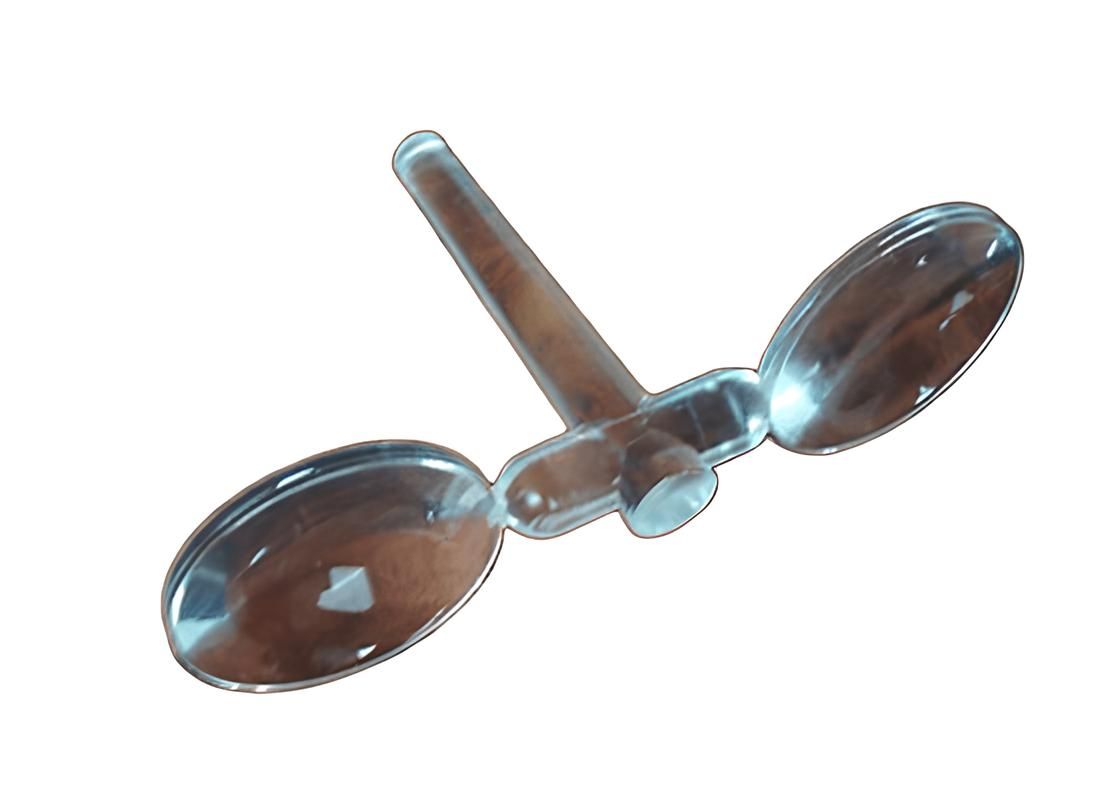
Case Study 1 - Faceted PMMA Lens (Arris Edge Lens)
Application Description
Production of a multi-faceted PMMA lens used in decorative and functional optical applications. Precise holding pressure control is critical to ensure optical clarity and surface definition.
Technical Data
Part type: Faceted lens
Material: PMMA
Part weight: 4.4 g
Shot weight: 21 g
Machine: BOY 30 M
Screw diameter: 24 mm
Cycle time: 32 s
Number of cavities: 4
Runner system: Pin gate with lower distribution and direct gating
Process Challenges
Risk of optical distortion on faceted surfaces, high shot-to-part ratio, and consistent pressure distribution across four cavities.
Dr. BOY Advantage
Accurate holding pressure regulation ensured defect-free optical surfaces and uniform quality across all cavities.
Case Study 2 - High-Transparency Optical Lens
Application Description
Production of a PMMA optical lens requiring very high transparency for imaging and measurement systems.
Technical Data
Part type: Optical lens
Material: PMMA
Part weight: 3.41 g
Shot weight: 12.2 g
Machine: BOY 30 A - 52
Screw diameter: 22 mm
Cycle time: 45 s
Number of cavities: 2
Runner system: Pin gate with lower distributor
Process Challenges
Simultaneous precise control of holding pressure and mold temperature.
Dr. BOY Advantage
Stable cycle behavior and consistent mold temperature ensured long-term preservation of optical clarity and surface quality.
Case Study 3 - Contact Lens Casting Mold
Application Description
Production of PC-based casting molds used in contact lens manufacturing. These components require an exceptionally smooth surface, with zero tolerance for surface defects.
Technical Data
Part type: Contact lens casting mold
Material: PC
Part weight: 0.86 g
Shot weight: 8.1 g
Machine: BOY 35 A - 52
Screw diameter: 18 mm
Cycle time: 13 s
Number of cavities: 6
Runner system: Pin gate with runner distributor
Process Challenges
Defect-free surface quality across six cavities and absolute material homogeneity.
Dr. BOY Advantage
Vibration-free mechanics and precise injection control eliminated flow marks, waviness, and material inconsistencies.
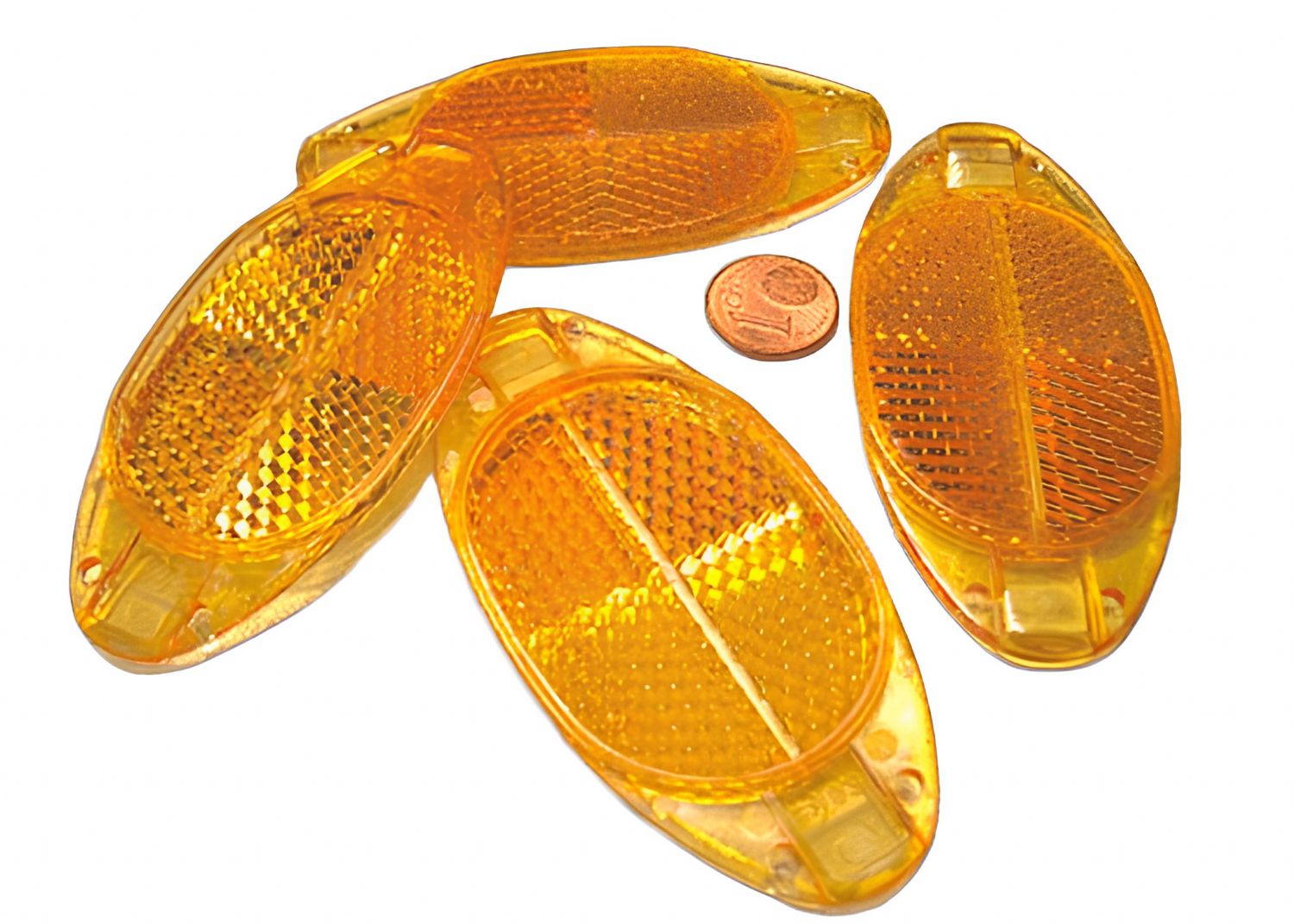
Case Study 4 - PMMA Reflector
Application Description
Production of a PMMA reflector used in lighting and signaling applications, where surface geometry and dimensional accuracy directly affect optical performance.
Technical Data
Part type: Reflector
Material: PMMA
Part weight: 5.24 g
Shot weight: 20.95 g
Machine: BOY 55 A
Screw diameter: 28 mm
Cycle time: 18 s
Number of cavities: 4
Runner system: Hot runner
Process Challenges
Maintaining stable filling behavior in a hot runner system while preserving surface geometry.
Dr. BOY Advantage
High clamping stability and balanced injection characteristics ensured accurate reflector geometry and consistent optical performance.
Overall Evaluation - Results from Optical Parts Case Studies
These optical injection molding case studies clearly demonstrate the strengths of Dr. BOY injection molding machines:
- Excellent compatibility with optical-grade PMMA and PC materials
- Consistent pressure balance in multi-cavity molds
- High process security against surface defects
- Stable performance with both hot runner and conventional runner systems
- Precise control of parameters directly affecting optical quality
Conclusion - Why Choose Dr. BOY for Optical Injection Applications?
Dr. BOY injection molding machines are not merely production units for optical parts; they represent a comprehensive manufacturing platform delivering high surface quality, dimensional accuracy, and repeatable optical performance. These real industrial case studies clearly demonstrate why Dr. BOY is a trusted solution for lens, contact lens mold, and reflector applications.