Product Descriptions
Case Study Approach in Insert Injection Molding
Dr. BOY injection molding machines are widely used in insert and overmolding applications where metal, cable, electronic contacts, or pre-formed plastic components must be integrated into a molded part with high positional accuracy and process reliability.
Insert injection molding represents a high value-added manufacturing process compared to conventional injection molding. It requires:
Precise insert positioning
Stable mold clamping behavior
Controlled injection dynamics
High repeatability under complex process conditions
This case study compilation is based on real industrial applications produced on Dr. BOY injection molding machines and focuses on machine configuration, screw diameter selection, cycle times, cavity layouts, insert handling challenges, and process stability.
Case Study 1 - Hotmelt-Based Elastomer Insert Overmolding
Application Description
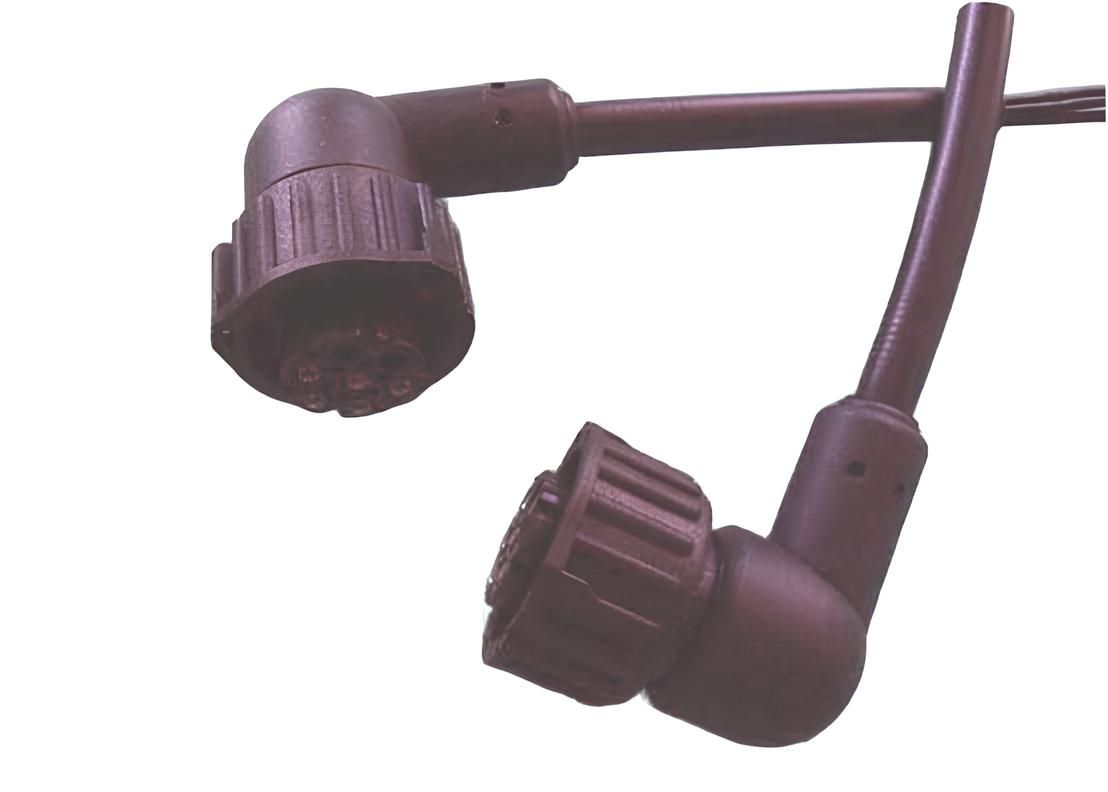
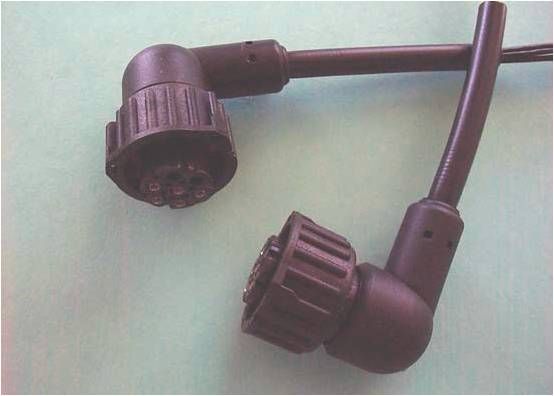
Production of a bayonet-type elbow plug using a PA-based elastomer (Macromelt) with hotmelt characteristics. The application requires extremely low injection pressures and controlled flow behavior around the insert.
Technical Data
Part type: Elbow plug (bayonet locking)
Material: PA-based elastomer (Macromelt)
Part weight: 7.2 g
Shot weight: 18.9 g
Injection molding machine: BOY 22 MVV
Screw diameter: 24 mm
Cycle time: 18 s (excluding insert placement)
Number of cavities: 2
Runner system: Tunnel gate
Process Challenges
Flow control of low-viscosity hotmelt material
Risk of flash and overflow around the insert
Stable filling at very low injection pressures
Dr. BOY Advantage
Precise injection control and vibration-free machine mechanics enabled safe, repeatable hotmelt overmolding under low-pressure conditions.
Case Study 2 - LSR Overmolding on PBT Insert Components
Application Description
A membrane ring produced by overmolding liquid silicone rubber (LSR) onto a PBT insert. This application represents a typical hard plastic-elastomer insert molding combination.
Technical Data
Part type: Membrane ring
Insert material: PBT
Injected material: LSR
Part weight: 1.78 g
Shot weight: 1.78 g
Injection molding machine: BOY 22 A VV
Screw diameter: 18 mm
Cycle time: 20 s
Number of cavities: 1
Runner system: Cold runner
Process Challenges
Controlled flow of LSR inside the mold
Reliable bonding between silicone and insert
Prevention of surface defects
Dr. BOY Advantage
Stable temperature and pressure control ensured homogeneous silicone flow and flawless bonding around the insert.
Case Study 3 - Automated Micro Insert Molding with LCP
Application Description
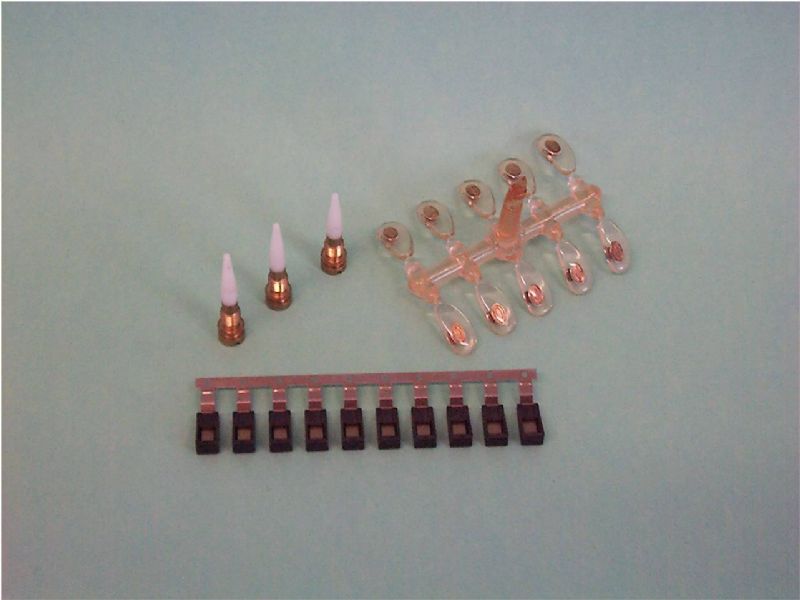
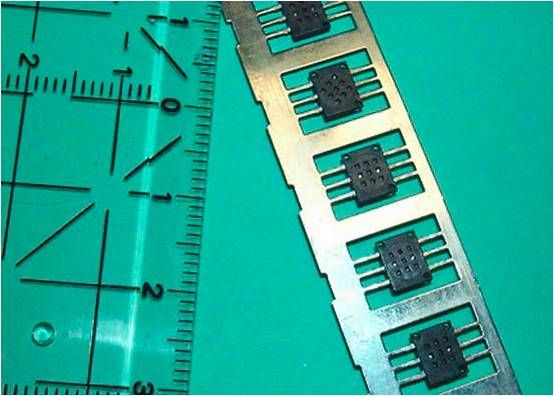
Micro base plates manufactured from LCP with integrated metal contacts, using an automated tape-feeding system for insert placement.
Technical Data
Part type: Contact carrier base plate
Material: LCP
Part weight: 0.075 g
Shot weight: 0.30 g
Injection molding machine: BOY 22 A VV
Screw diameter: 14 mm
Cycle time: 6.5 s
Number of cavities: 4
Runner system: Hot runner
Process Challenges
Precise positioning of micro inserts
Balanced filling in multi-cavity tooling
Extremely short cycle time requirements
Dr. BOY Advantage
Synchronization between mold movement and automated insert feeding, combined with precise injection characteristics, enabled high output with stable part quality.
Case Study 4 - Cable Overmolding Applications
Application Description
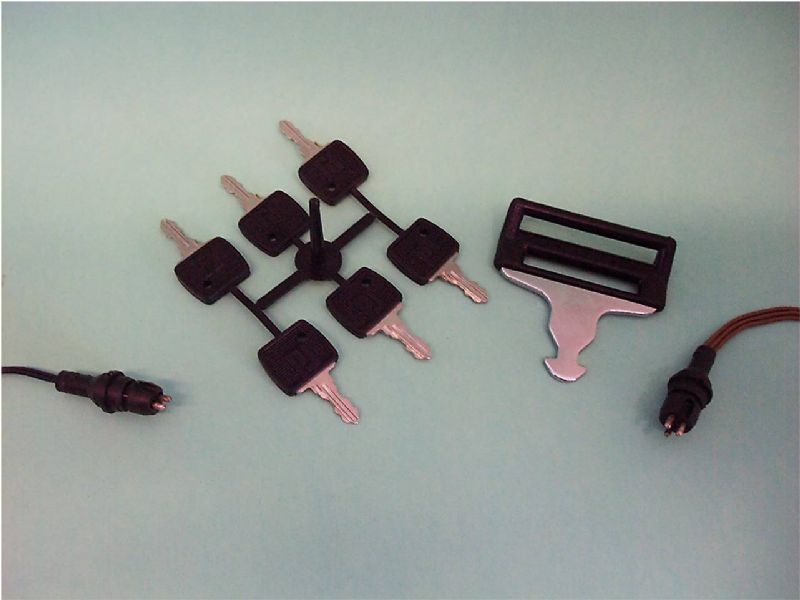
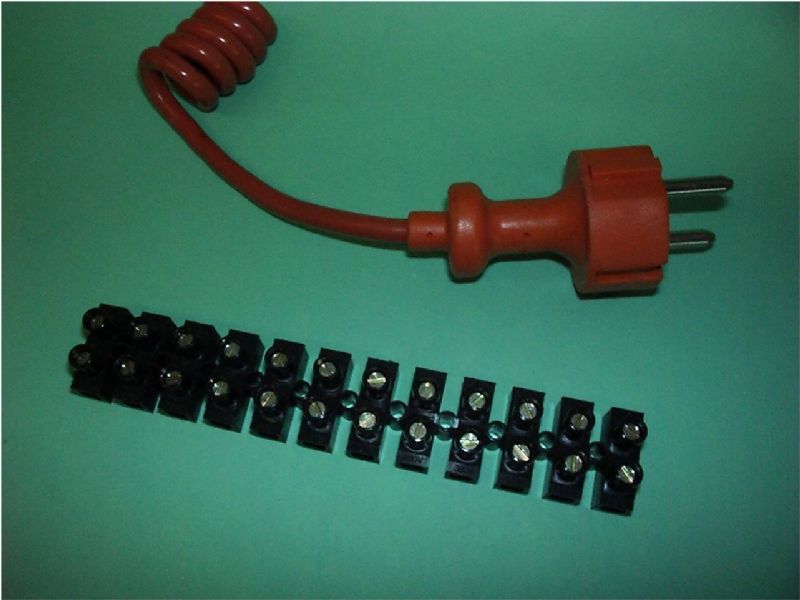
Multi-cavity overmolding of cable strips using polycarbonate (PC) material to achieve both electrical insulation and mechanical reinforcement.
Technical Data
Part type: Cable connector
Insert: Cable strip
Material: PC
Part weight: 1.5 g
Shot weight: 9.7 g
Injection molding machine: BOY 22 M VV
Screw diameter: 18 mm
Cycle time: 22 s
Number of cavities: 4
Runner system: Distributed runner system
Process Challenges
Secure fixation of cables inside the mold
Preventing cable damage during injection
Achieving reliable sealing and mechanical retention
Dr. BOY Advantage
Balanced clamping force and controlled filling behavior ensured safe overmolding without cable damage.
Case Study 5 - Micro Mechanical Parts with Metal Inserts
Application Description
Micro mechanical components such as model train wheel sets, featuring three manually placed metal inserts and extremely low part weights.
Technical Data
Part type: Model train axle
Material: PA 6
Part weight: 2 × 0.016 g
Shot weight: 2.14 g
Injection molding machine: BOY 22 AVV - 15
Screw diameter: 14 mm
Cycle time: approx. 25 s (including insert placement)
Number of cavities: 1 + 1 (left / right wheel)
Runner system: Pin gate with distributor
Process Challenges
Precise placement of very small metal inserts
Stable filling at minimal part weights
High sensitivity in manual handling
Dr. BOY Advantage
Vibration-free injection behavior and stable process control enabled reliable production of micro insert parts.
Case Study 6 - Overmolding of Sensitive Electrical Contacts
Application Description
Flat cable connectors manufactured from PBT with integrated sensitive electrical contacts.
Technical Data
Part type: Flat cable connector
Material: PBT
Part weight: 1.45 g
Shot weight: 12.8 g
Injection molding machine: BOY 22 MVH
Screw diameter: 24 mm
Cycle time: 16 s (approx. 35 s including insert handling)
Number of cavities: 4
Runner system: Pin gate with distributor
Process Challenges
Thin cores and delicate metal contacts
Risk of deformation during injection
Dr. BOY Advantage
Smooth injection transitions and precise speed control ensured that electrical contacts were encapsulated without damage.
Overall Evaluation - Results from Dr. BOY Insert Molding Case Studies
These case studies clearly demonstrate the strengths of Dr. BOY injection molding machines in insert molding applications:
Wide processing range from micro to medium shot weights
High process reliability for metal, cable, and plastic inserts
Compatibility with elastomers, LSR, and engineering thermoplastics
Low scrap rates and high repeatability
Suitability for both manual and automated insert feeding systems
Conclusion - Why Choose Dr. BOY for Insert Molding Applications?
Dr. BOY injection molding machines provide more than just equipment for insert molding; they offer a high-precision, reliable production platform. These real industrial case studies clearly show why Dr. BOY is preferred for complex insert geometries, micro components, and multi-material applications where process stability and quality consistency are critical.